Get a Free Roofing Estimate Today
7 Warning Signs Your Roof Is Leaking in Philadelphia, PA
Understanding Roof Leak Damage
Your roof silently protects your home every day, but when that protection fails, the consequences can escalate quickly. A leaking roof rarely announces itself with obvious signs. Instead, water intrusion begins as a slow, hidden process that damages insulation, framing, and ceiling materials long before you notice a dripping faucet or a brown stain overhead.
In Philadelphia and the surrounding counties, where humid summers accelerate moisture damage and winter freeze-thaw cycles stress roofing materials, catching a leak early is critical. Most homeowners discover roof problems only after ceiling damage appears, at which point repairs become significantly more costly. However, your home gives you clues well before that point. Recognizing these 7 warning signs your roof is leaking before it ruins your ceiling can save thousands of dollars and prevent structural damage. This guide walks you through the early indicators that water is finding its way through your roofing system and what you should watch for between professional inspections.
Water Stains and Soft Ceiling Spots
The first visible indicator of a roof leak often appears on your ceiling as discoloration. Water stains typically manifest as yellowish-brown rings or irregular patches that darken over time. These stains signal that water has already penetrated your roof deck, traveled through insulation, and reached the drywall. The stain you see represents only a fraction of the moisture present in the structure above.
Equally concerning are soft or spongy areas on your ceiling. When you gently press upward on a section of ceiling and it feels flexible or yields to pressure, water has saturated the drywall or plaster. This occurs when moisture accumulates over weeks or months, breaking down the structural integrity of ceiling materials. Soft spots often appear near corners, around light fixtures, or along seams where ceiling panels meet.
Pay attention to stains that grow or change shape after rain events. A static, old stain may indicate a past issue that was resolved, but expanding discoloration confirms active water intrusion. In older homes throughout Montgomery County and Bucks County, these signs frequently appear in upper-floor rooms or directly beneath attic spaces where roof deck damage goes unnoticed for extended periods.
Mold Growth and Granule Loss
Mold and mildew thrive in damp environments, making them reliable indicators of ongoing moisture problems. If you notice dark spots, fuzzy growth, or a musty odor in your attic or on upper walls, water is likely entering through compromised roofing. Mold can appear black, green, or gray and often clusters in corners or along ceiling-wall junctions. Philadelphia’s humid summers create ideal conditions for mold to spread rapidly once moisture is present, turning a small leak into a health hazard within weeks.
Outside your home, inspect your gutters and the area around your foundation for asphalt shingle granules. These small, sand-like particles protect shingles from UV damage and weathering. When shingles deteriorate or sustain storm damage, granules wash away during rain and collect in gutters or downspout outlets. Significant granule loss indicates your shingles are nearing the end of their functional life and can no longer effectively repel water.
Both signs point to vulnerabilities in your roofing system. Mold inside suggests active leaks, while granule accumulation outside warns that your roof’s waterproof barrier is weakening. Addressing these issues promptly through roof repair services prevents minor problems from escalating into full roof replacement scenarios.
Sagging Rooflines and Visible Wear
A healthy roof maintains clean, straight lines from peak to eave. When you notice sagging, dipping, or uneven sections along your roofline, it signals serious structural compromise. Sagging occurs when roof decking absorbs water over time, causing wood to warp and lose its load-bearing capacity. This damage often remains hidden until the weight of saturated materials creates visible deflection. From the street, look for areas where the roof appears to bow inward or where the ridgeline no longer forms a crisp, straight edge.
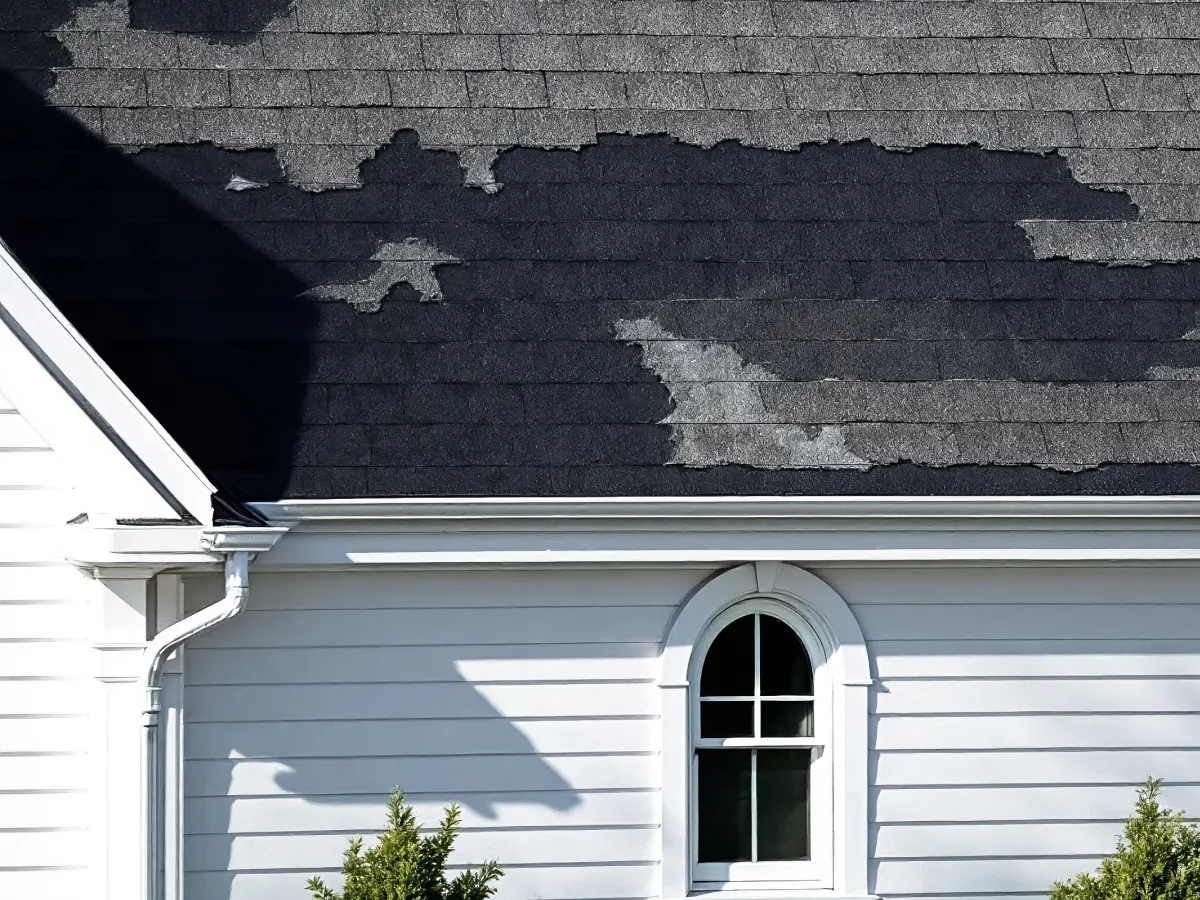
Visible wear on shingles themselves also warns of imminent leaks. Curling edges, cracked surfaces, or missing shingles expose the underlayment and roof deck to direct water contact. Wind-driven rain during the region’s frequent spring and summer storms can exploit even small gaps, channeling water beneath surrounding shingles and into your home. Winter ice dams compound the problem, forcing meltwater upward under shingle edges where it refreezes and expands, creating entry points for future leaks.
Delaware County and Chester County homeowners often encounter these issues on older roofs that have weathered decades of variable conditions. If your roof shows sagging or widespread shingle damage, a roof inspection can determine whether targeted repairs will suffice or if a roof replacement service is the more practical solution.
The Final Warning Signs and What to Do Next
The final warning signs of a leaking roof often involve unexpected visitors and structural openings. Pests such as squirrels, raccoons, or birds can enter your attic through gaps created by damaged or missing shingles. If you hear scratching sounds in your attic or notice animal droppings, inspect for openings where roofing materials have failed. These entry points also allow rain and snow to penetrate your home, accelerating interior damage. Missing shingles are especially common after severe weather events and leave your roof deck completely exposed to the elements.
Additionally, check your attic during or immediately after a rainstorm. Active leaks may drip onto insulation or rafters without yet reaching your living spaces. Water stains on wooden beams, damp insulation, or pooled water on the attic floor confirm that your roof is compromised. Catching leaks at this stage, before ceiling damage becomes visible, can significantly reduce repair costs.
If you observe any of these seven warning signs, taking action quickly is essential. A professional roof inspection identifies the source and extent of damage, allowing you to address issues before they require emergency roof repair service or extensive interior restoration. In the tri-county area, where seasonal weather patterns place constant stress on roofing systems, regular inspections help homeowners stay ahead of problems. Storm damage roof repair after severe weather and routine maintenance extend the life of your roof and protect your investment. Do not wait for ceiling collapse or interior flooding to force your hand. Early detection and timely roof repair services preserve both your home’s structure and your budget, giving you the confidence that your roof will continue to perform when you need it most.